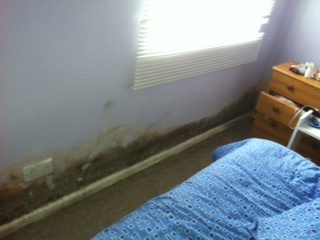
Damp, mould, and condensation are common issues that plague many properties within the social housing sector. Damp occurs when excess moisture permeates a property’s walls, ceilings, or floors, leading to wet or soggy patches. Mould is a type of fungus that develops in damp and humid conditions, often appearing as black, green, or white patches on surfaces. Condensation, on the other hand, forms when warm, moist air collides with cold surfaces, causing water droplets to form. Over time, untreated condensation can lead to damp, which in turn encourages mould growth.
These issues are prevalent in properties with poor ventilation and inadequate heating systems, particularly within older housing stock. Without effective intervention, they can cause structural damage and pose significant health and safety hazards to tenants.
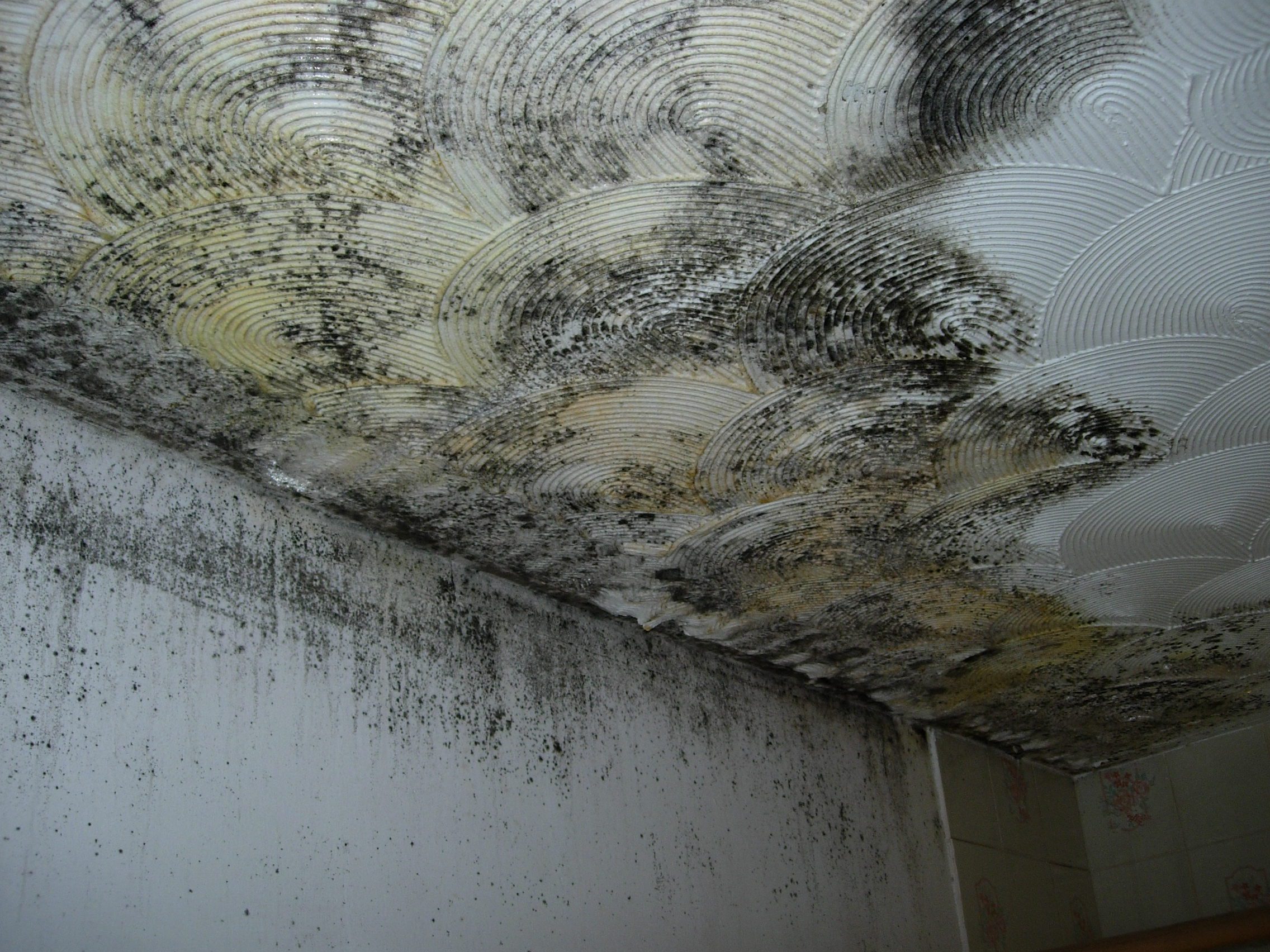
For social housing landlords, damp and mould represent more than an inconvenience; they indicate serious hazards that can undermine tenant health and the structural integrity of the property. The English Housing Survey highlights that damp and condensation are particularly common in the social housing sector due to outdated ventilation systems and inefficient heating.
Damp and mould pose health risks to vulnerable groups, including children, the elderly, and those with pre-existing respiratory conditions. Poor indoor air quality and prolonged exposure to mould can cause respiratory problems, skin irritation, and exacerbate conditions, such as asthma.
From a compliance standpoint, failing to address damp and mould breaches legal obligations under regulations like the Tenant Act 1985 and the Housing Health and Safety Rating System (HHSRS). Persistent issues can lead to complaints directed at the Housing Ombudsman, legal claims, and financial penalties. The Awaab’s Law reform further emphasised swift action, setting strict timelines for addressing damp and mould in social housing properties.
While social housing landlords have a duty to address structural issues leading to damp and mould, educating tenants on preventive measures is equally important:
At Vortice, we specialise in comprehensive solutions tailored to the social housing sector to tackle damp and mould effectively. Our support helps landlords ensure properties not only meet legislative standards but also provide a safe, healthy environment for tenants. Here’s how we assist social housing landlords:
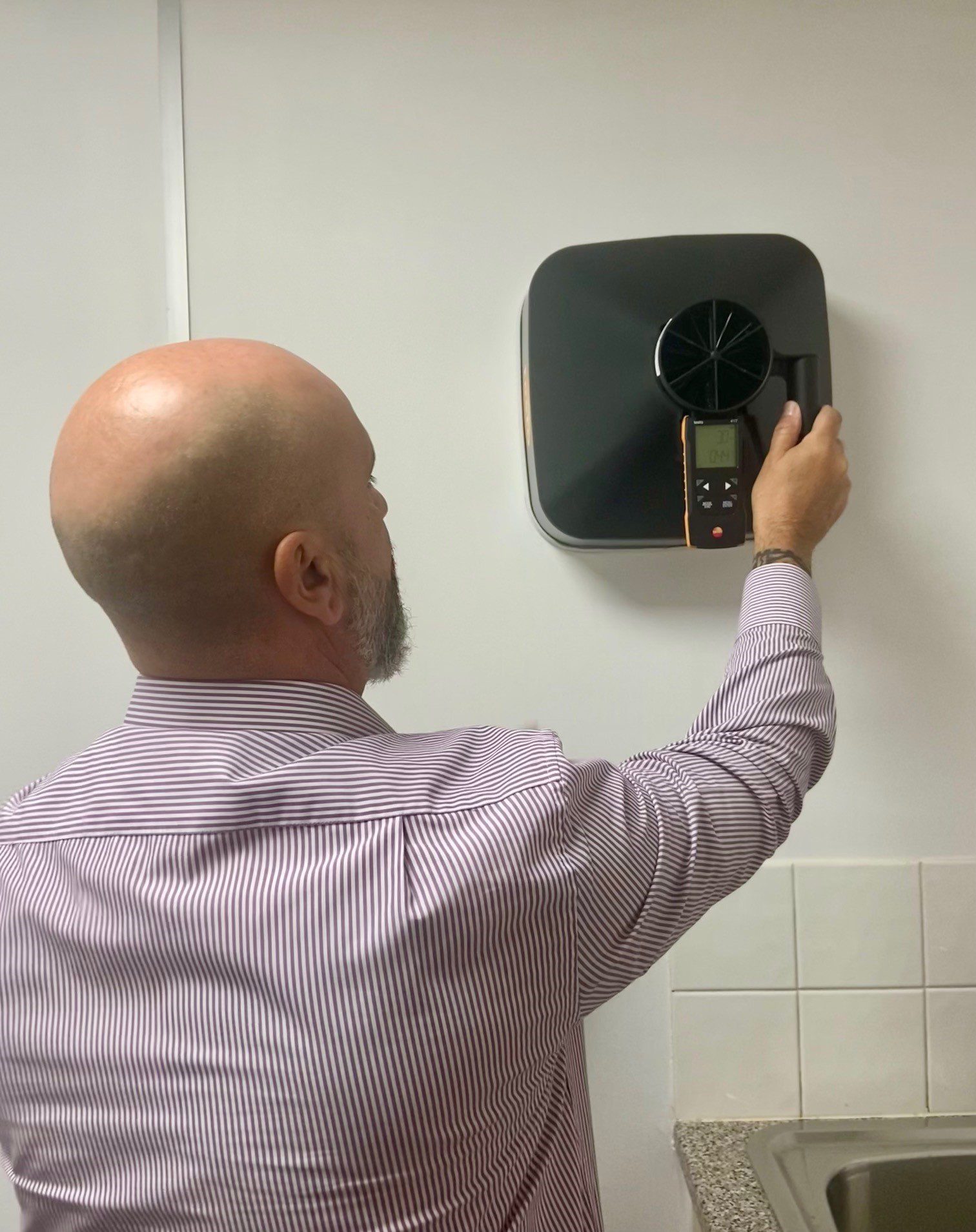
We conduct thorough surveys to identify sources of damp and monitor ventilation performance. Where required, This involves analysing indoor air quality, reviewing potential hazards, and benchmarking properties against Approved Document F regulations for ventilation.
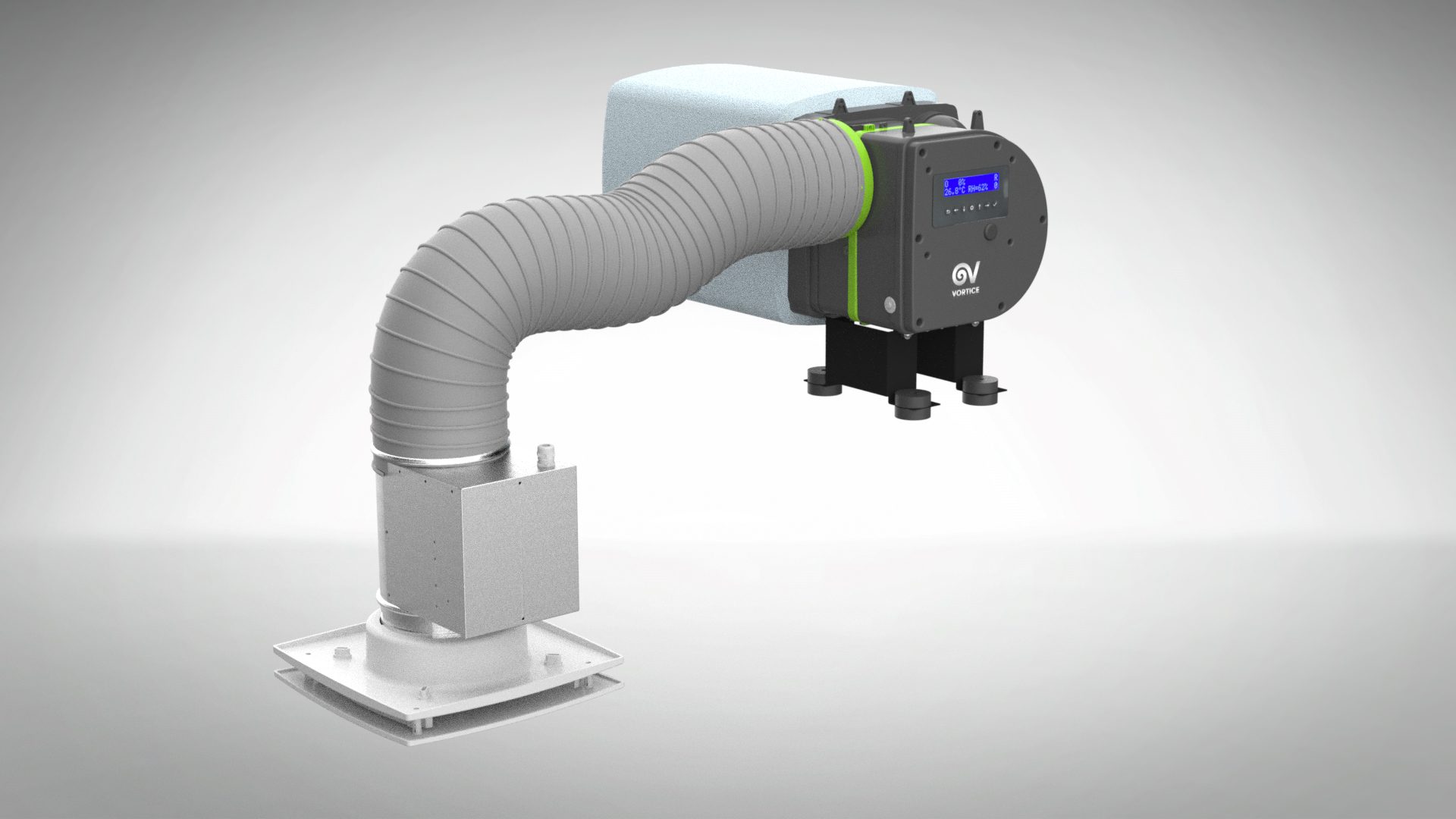
Our cutting-edge ventilation systems are designed to address poor airflow and tackle mould growth at its root, ensuring compliance with the latest building regulations. Solutions like continuous mechanical extract ventilation (MEV/dMEV) and Positive Input Ventilation (PIV) tackle condensation and improve air circulation, reducing risks for tenants.
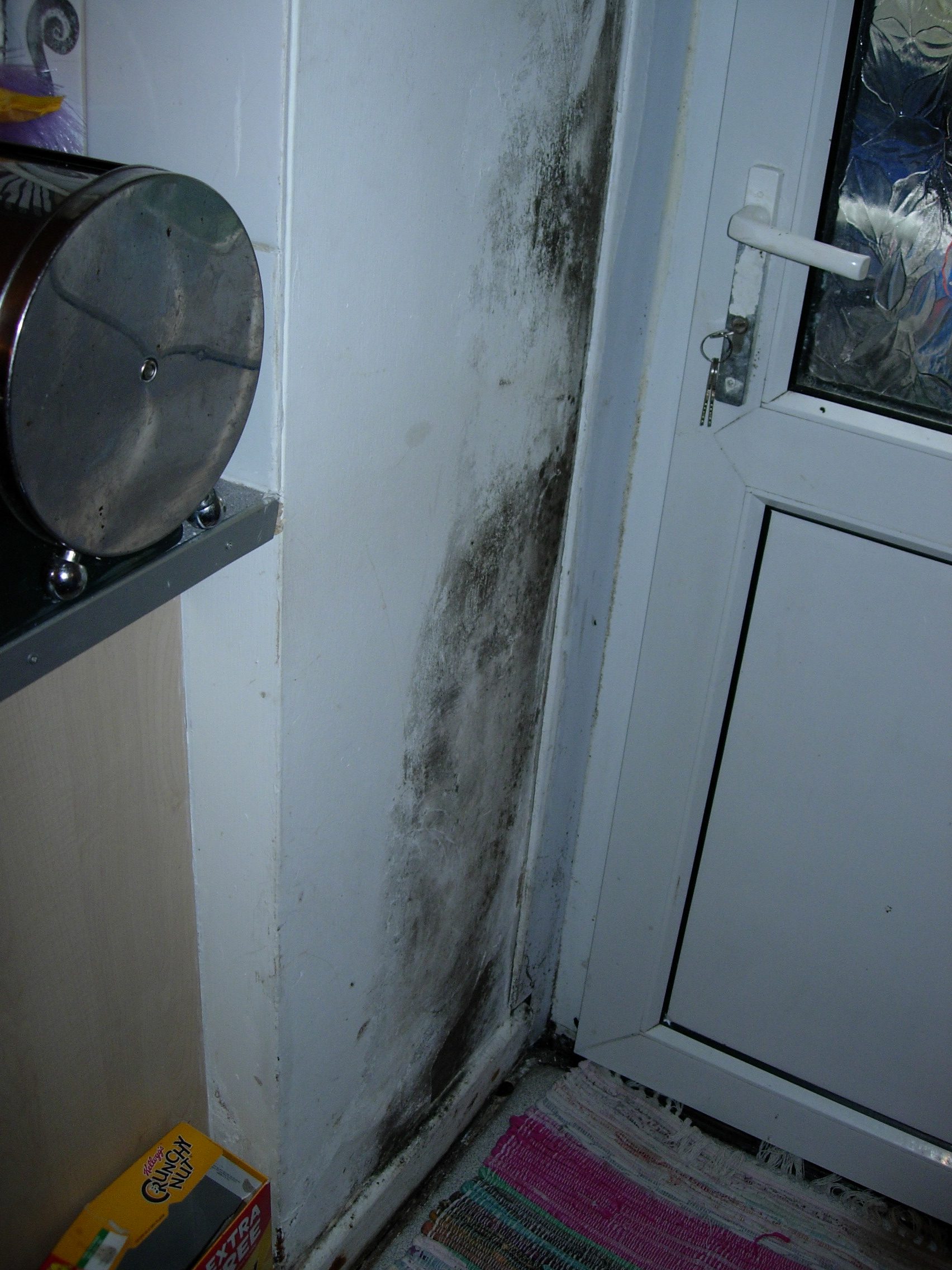
We understand the urgency damp and mould issues demand. Our team commits to completing repairs within the 28-day timeframes outlined in Awaab’s Law or even faster.

Our certified expert, Paul Harrington, delivers CPD training designed to educate landlords and housing teams on best practices and changes in legislation. This training ensures teams can confidently address tenant complaints and maintain adequate record-keeping.
Contact Us to Arrange a Free Survey

Addressing damp, mould, and condensation in social housing is about fulfilling legal obligations and safeguarding tenants’ well-being. Vortice provides high-quality, long-lasting solutions tailored to meet the demands of the social housing sector. Take action today to avoid the risks and liabilities of inadequate ventilation and mould hazards.
Damp is caused by excess moisture entering or building up in a property, often due to leaks, poor ventilation, or inadequate heating. Mould develops when this moisture creates the perfect breeding ground for fungal spores to grow. Common causes include condensation, rising damp, and water ingress from damaged roofs or walls.
Exposure to damp and mould can trigger respiratory problems, such as asthma and allergies. It can also irritate the skin and eyes, particularly in people with pre-existing conditions or weakened immune systems. Over time, living in such conditions can lead to serious health issues, especially for vulnerable groups like children and the elderly.
Yes, prolonged exposure to damp and mouldy conditions can increase the risk of developing respiratory infections, including pneumonia. This is particularly dangerous for individuals with underlying health conditions or those in high-risk categories.
Damp and mould create a health and safety hazard in any home. Beyond the health risks, it can lead to structural damage, causing walls, ceilings, and furniture to degrade over time. For landlords, failure to act could result in legal liability, tenant disputes, and costly repairs.
Yes, damp and mould are known to exacerbate respiratory problems and can lead to chest infections, particularly among vulnerable tenants. Respiratory conditions, persistent coughing, and breathing difficulties are common in homes with poor indoor air quality caused by mould growth.
The health risks of damp and mould include the development or worsening of asthma, skin irritation, allergic reactions, and an increased vulnerability to respiratory illnesses. Long-term exposure can significantly impact overall well-being and quality of life, particularly for families or elderly tenants affected by inadequate ventilation and serious hazards like mould.
No, damp and mould are not the same. Damp refers to the presence of moisture in a property, while mould is the result of damp conditions creating a favourable environment for fungal growth. Both are interconnected, with damp being the primary cause of mould in homes.
If you’re searching for trusted solutions to tackle damp and mould in your area, Vortice offers expert assessments, tailored ventilation systems, and certified support to address the root causes.
Contact Us for a Free Survey and find out how we help protect your tenants and properties.
Don’t wait for complaints or risks to escalate. Partner with Vortice to ensure compliant, durable solutions tailored to the needs of the social housing sector. Contact us now to schedule your free consultation and take the first step toward compliant, healthy homes.
Contact our social housing team for any enquiries.