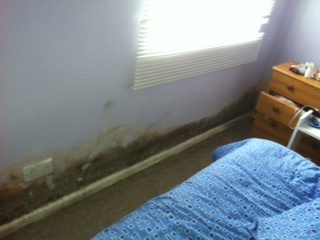
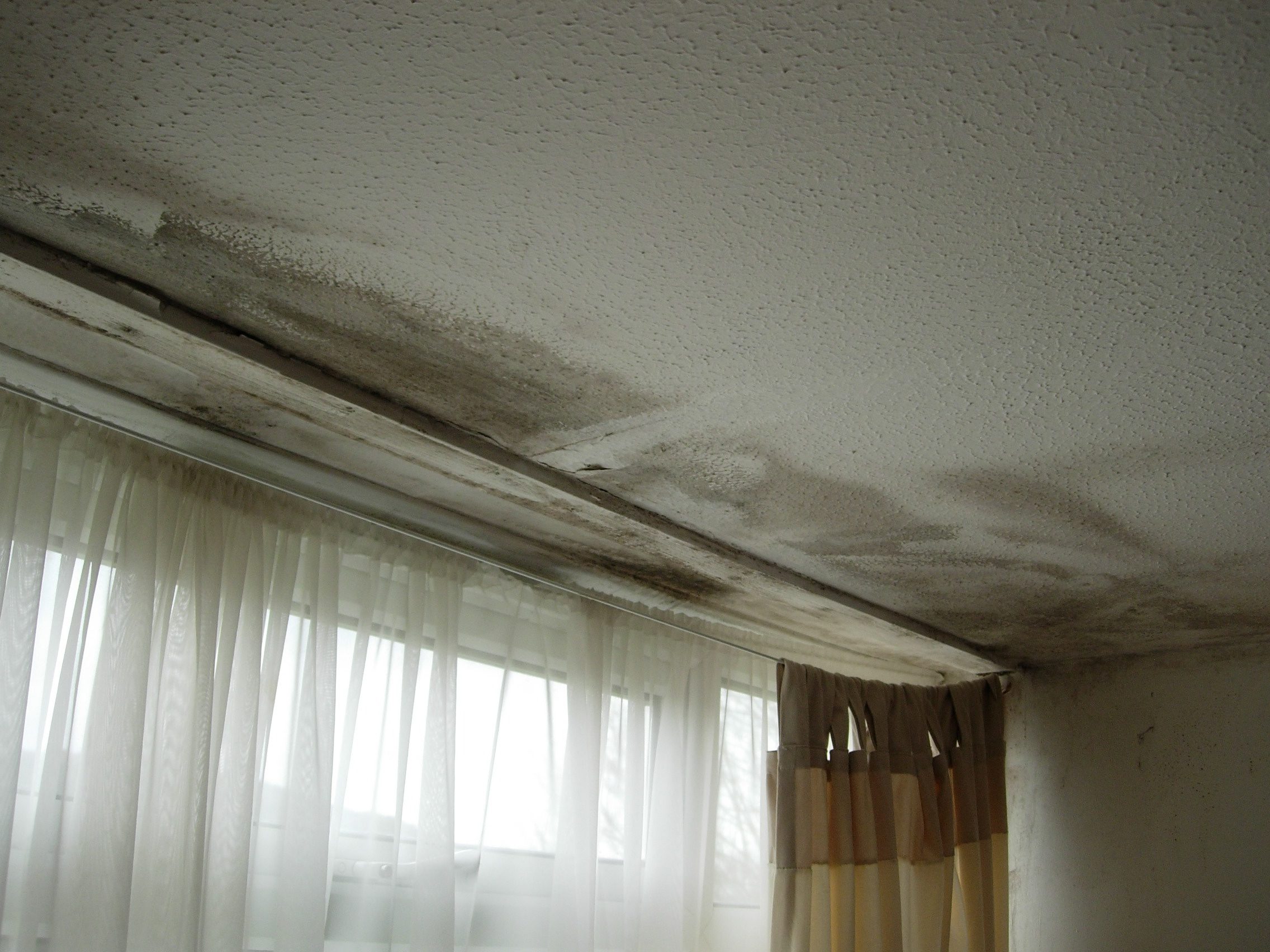
Effective ventilation is the most reliable way to combat condensation, damp, and mould in social housing. Advanced mechanical systems such as Positive Input Ventilation (PIV) and Continuous Mechanical Ventilation (MEV or dMEV) offer sustainable, energy-efficient solutions.
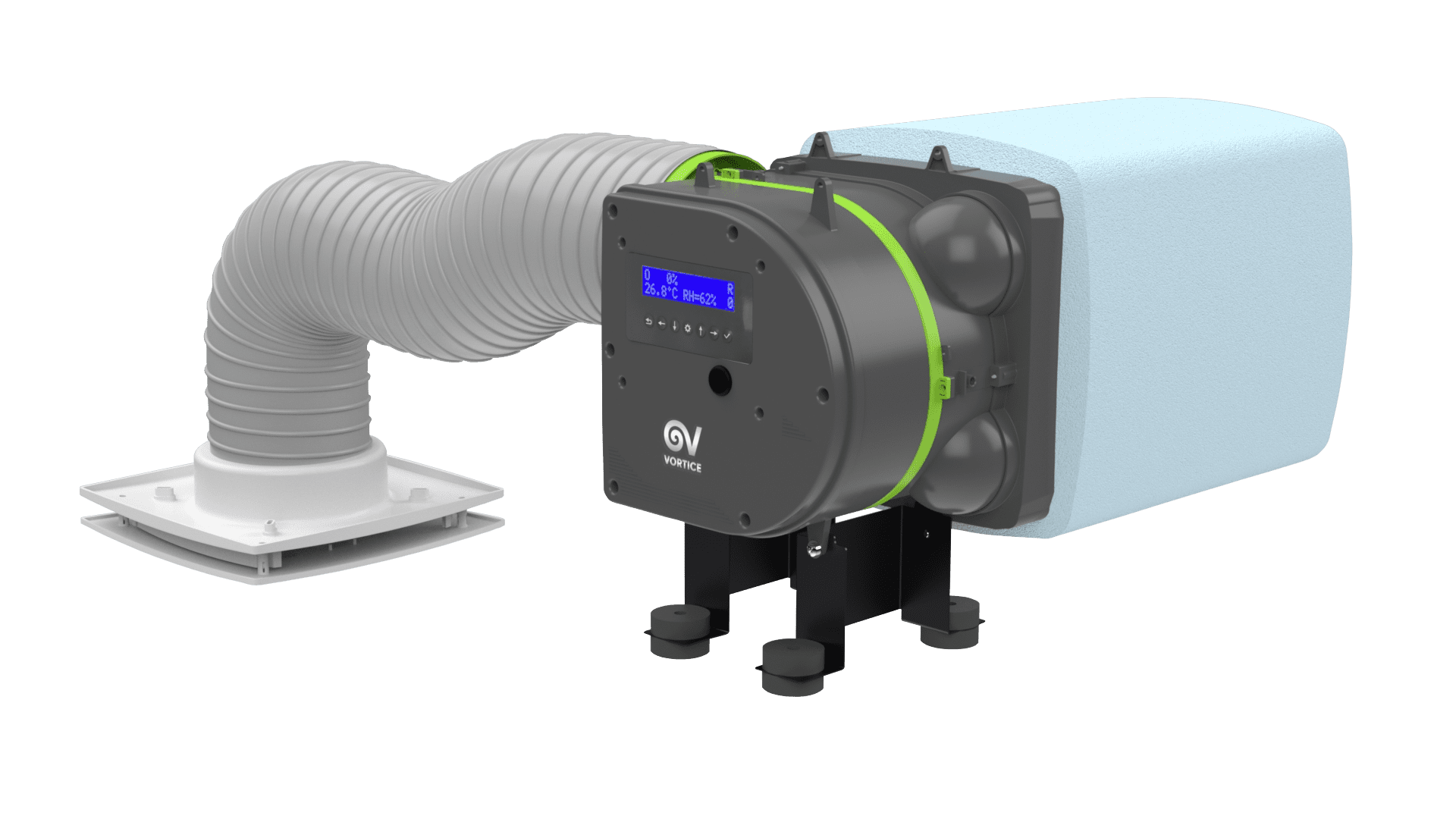
PIV systems introduce filtered, fresh air throughout a property, reducing humidity levels and preventing condensation. Widely adopted in homes across the UK, they protect against damage and create healthier environments.

MVHR systems take ventilation a step further by continuously extracting stale air and introducing fresh air while recovering heat. Ideal for energy-efficient homes, they lower heating costs, improve air quality, and ensure year-round comfort.

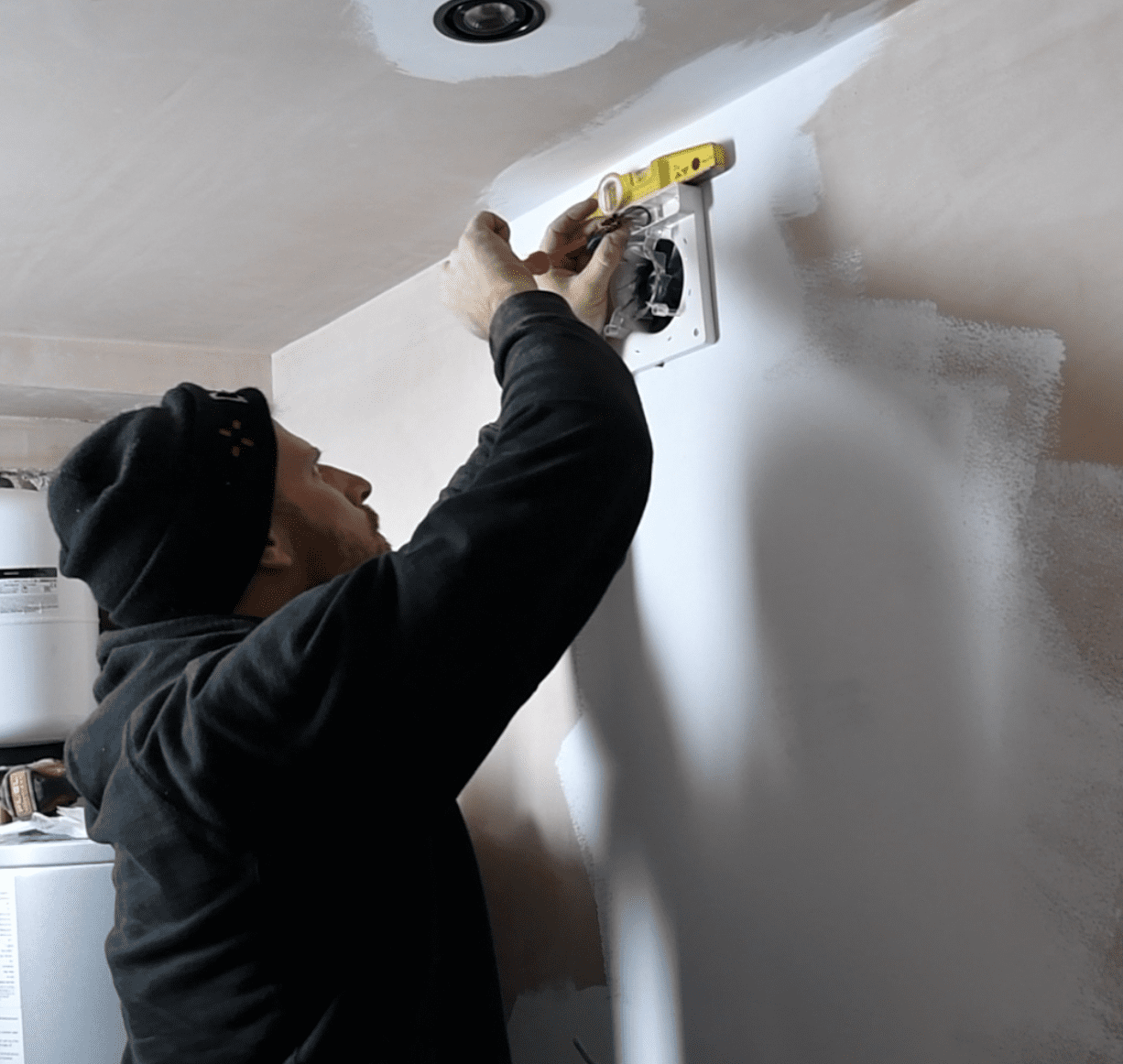
Provide continuous ventilation to each “wet room” in a property. The amount of ventilation is normally based on the number of bedrooms in a property and its floor area. Background ventilators located in the “habitable rooms” allow fresh air into the property resulting in a “whole home” ventilation strategy. This method of ventilation is ideal for retrofitting in existing properties.
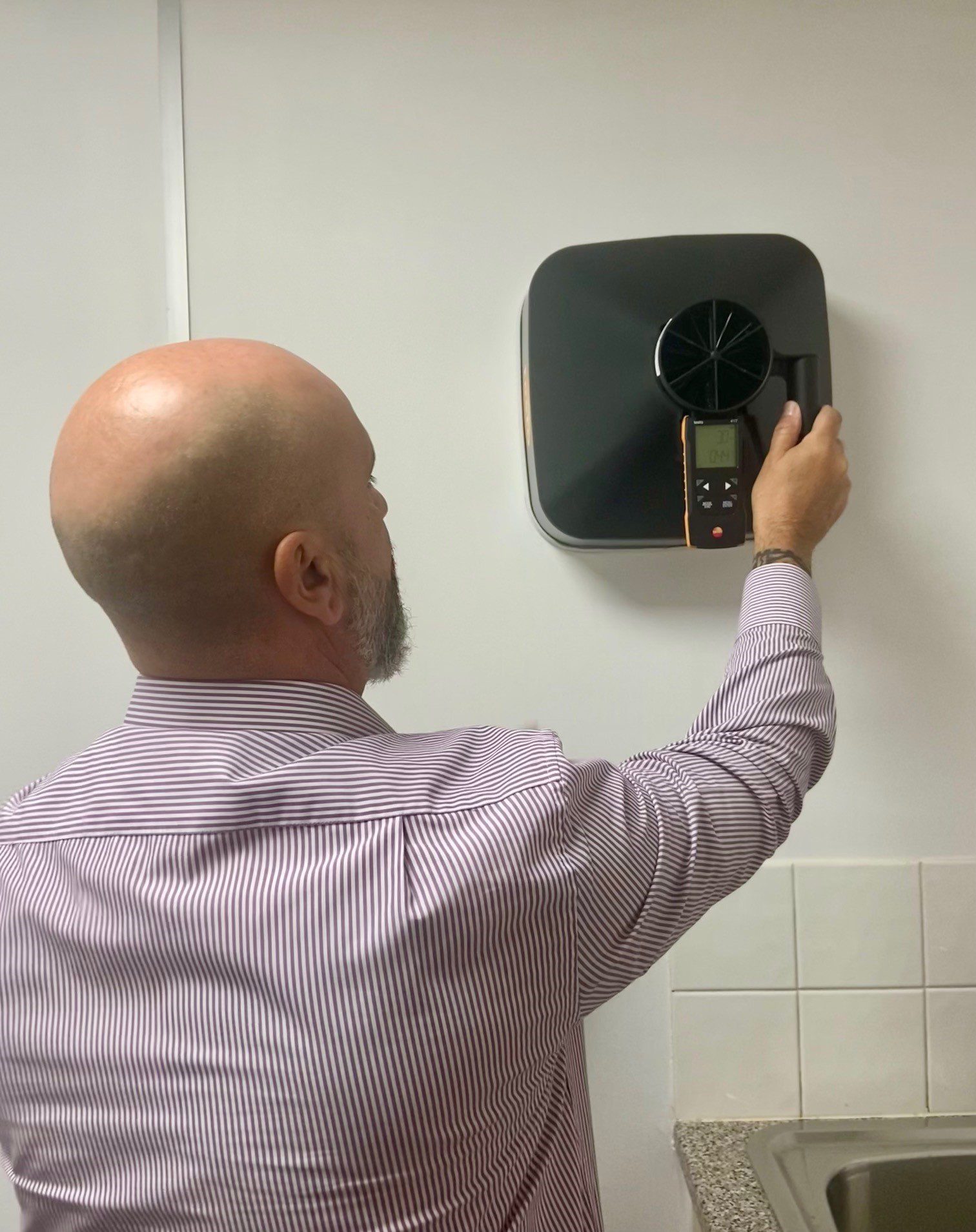
Landlords may hesitate to invest in ventilation systems due to upfront costs, but the long-term savings far outweigh the initial expense. Proper ventilation reduces the risks associated with damp and mould, saving on repair costs, legal disputes, and potential tenant health claims.
From an energy efficiency perspective, ventilation systems help tenants save on heating bills while protecting the property’s value. For landlords, this translates into compliance with regulations, fewer tenant complaints, and long-term cost benefits.
Improving ventilation is no longer optional. It’s an essential aspect of maintaining regulatory compliance, protecting tenant health, and preserving housing stock across the UK. By investing in modern ventilation systems, landlords can create safer, healthier homes and minimise long-term expenses.
Through proactive action and education, we can help the social housing sector deliver on its commitment to providing high-quality living environments for tenants.
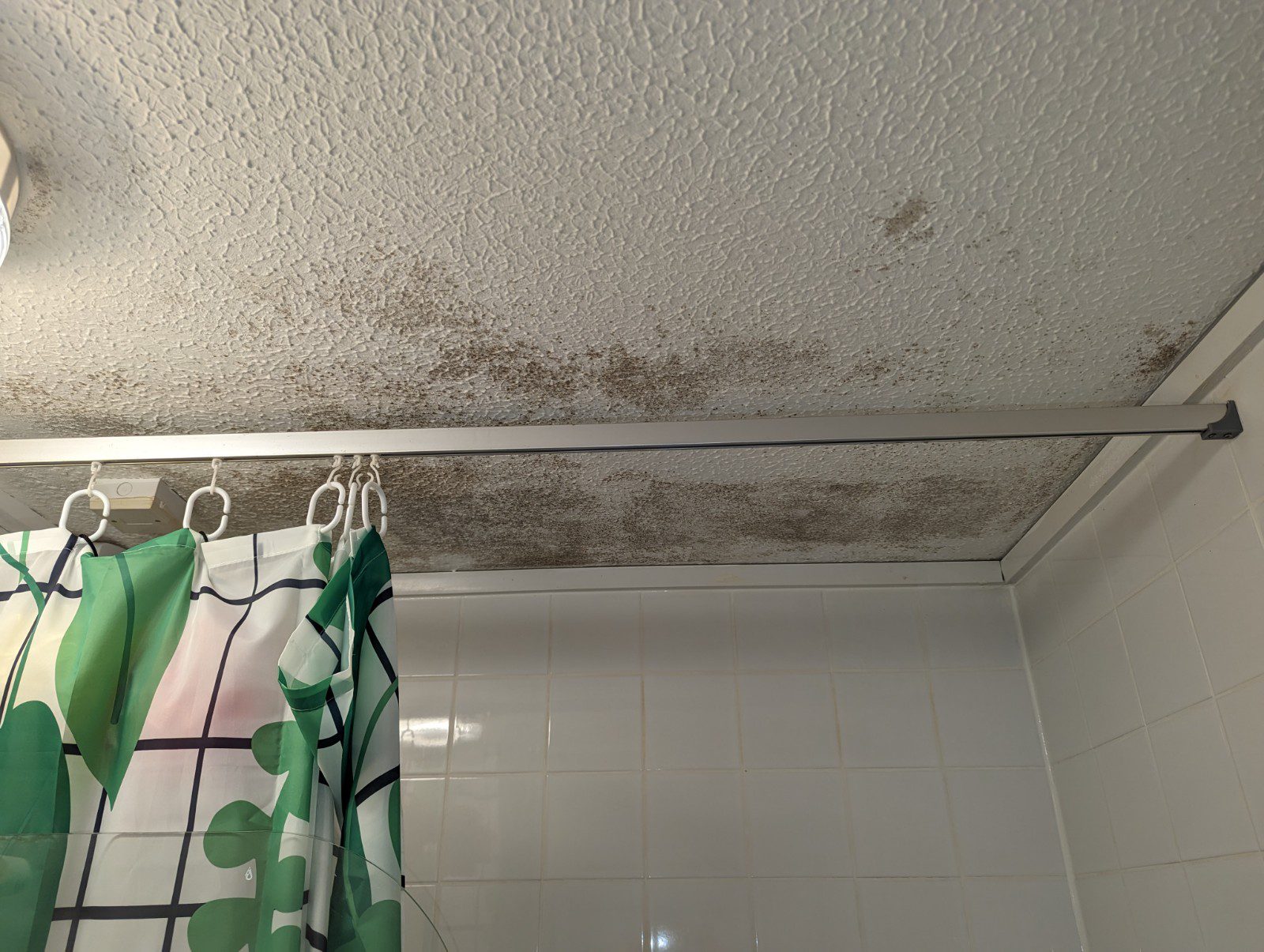
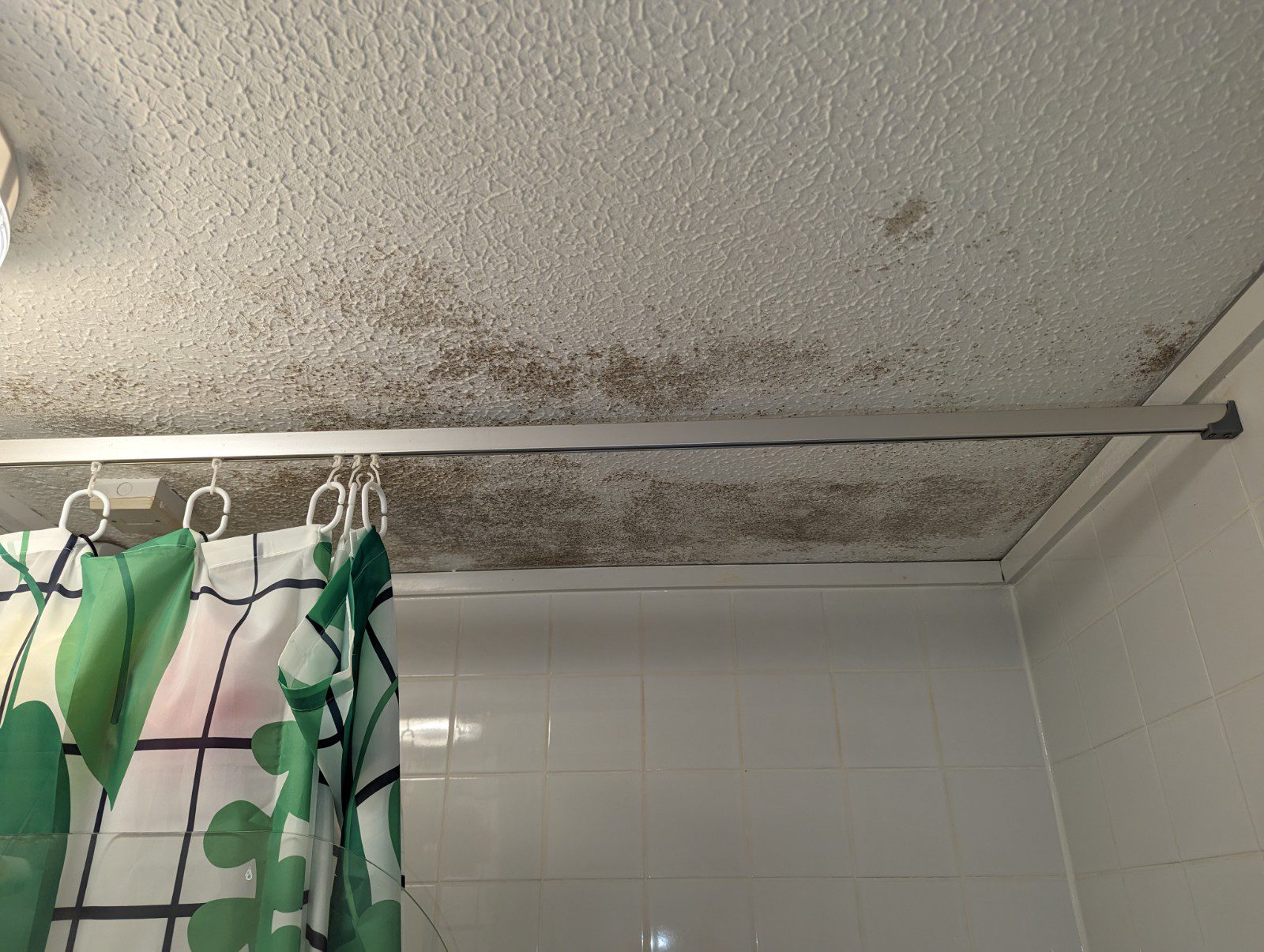
Damp is caused by excessive moisture in a property, which can be the result of leaks, poor insulation, or inadequate ventilation. Mould thrives in these damp conditions, forming when moisture levels remain high over time.
Proper ventilation helps by continuously removing moisture-laden air and replacing it with fresh air. This reduces humidity levels, preventing condensation on surfaces such as windows and walls where mould often takes hold.
Living in damp and mouldy conditions can exacerbate asthma, allergies, and other respiratory issues. Prolonged exposure may also lead to serious complications, including chest infections and, in rare cases, pneumonia.
Yes, systems like MVHR recover heat from the outgoing air and use it to warm incoming fresh air. This reduces the need for excessive heating, making homes more energy-efficient.
Damp and mould create health and safety hazards that can impact physical health and the structural condition of a home. Left unchecked, they may lead to costly property damage and legal repercussions.
PIV and MVHR are among the most effective systems for controlling humidity and improving air quality. Both are excellent solutions for long-term moisture control and energy efficiency.
If you’re struggling with damp and mould, Vortice offers expert property surveys and tailored ventilation solutions to help landlords and tenants.
Don’t wait for complaints or risks to escalate. Partner with Vortice to ensure compliant, durable solutions tailored to the needs of the social housing sector. Contact us now to schedule your free consultation and take the first step toward compliant, healthy homes.
Contact our social housing team for any enquiries.