Awaab's Law: Protecting Tenants, Guiding Landlords

Awaab's Law: Protecting Tenants, Guiding Landlords

Social housing landlords face unprecedented challenges with new legislation coming into force. Awaab’s Law represents the most significant change to social housing regulations in decades, placing strict requirements on how landlords must respond to damp and mould hazards.

This comprehensive guide explains everything you need to know about Awaab’s Law, its impact on social housing providers, and how to ensure compliance whilst protecting your tenants’ health and wellbeing.
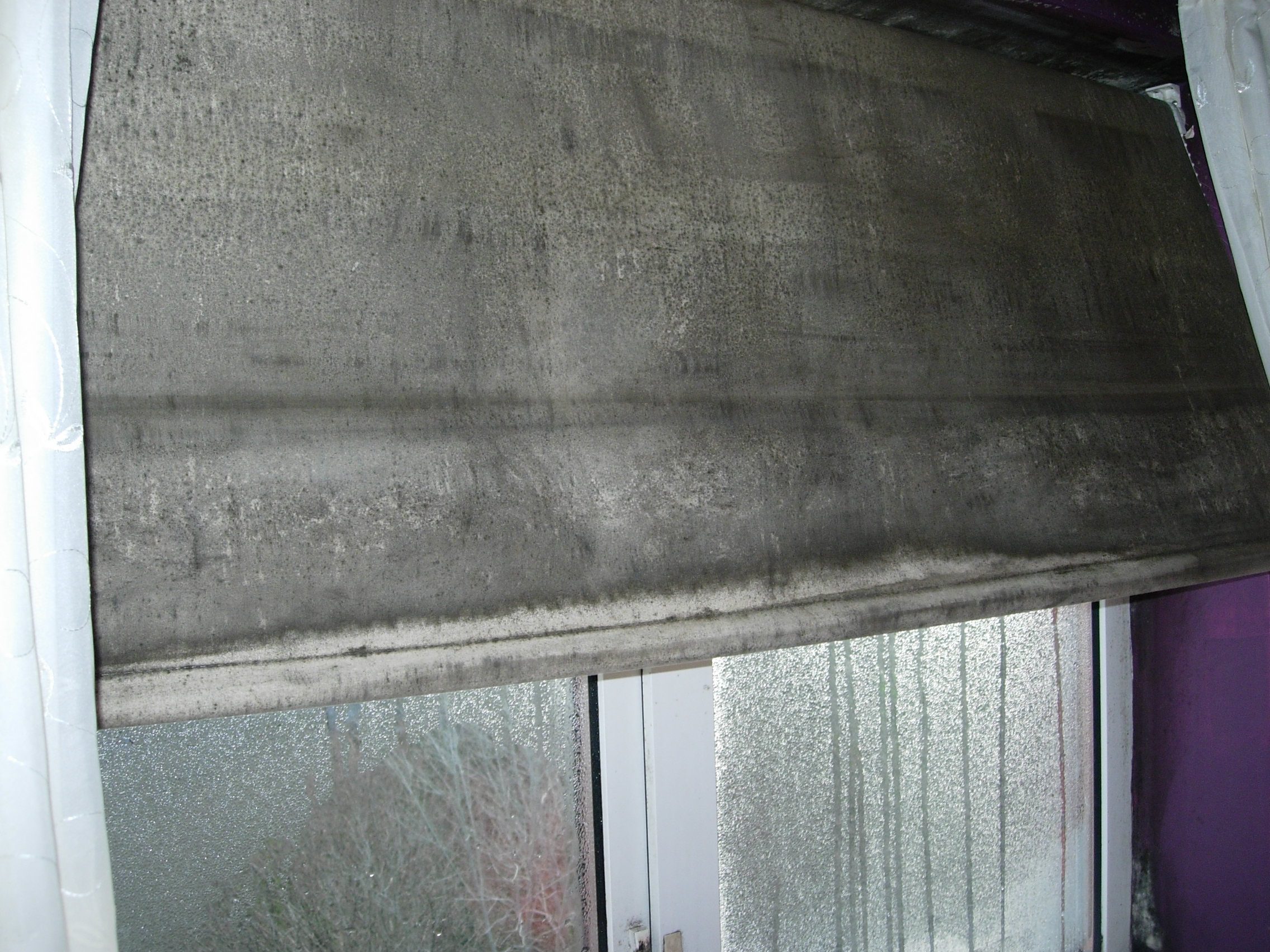
4 Navigation Close - mould growth on tenants blinds

What is Awaab’s Law?

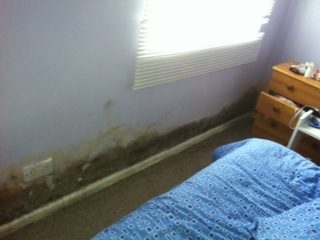
Awaab’s Law is landmark legislation introduced following the tragic death of two-year-old Awaab Ishak in December 2020. The toddler died from a severe respiratory condition caused by prolonged exposure to mould in his family’s social housing property in Rochdale.

Despite repeated complaints from Awaab’s parents over three years, their social landlord failed to address the mould problem. The coroner’s findings shocked the housing sector and prompted urgent calls for reform.

The legislation was first introduced through the Social Housing (Regulation) Act 2023 and creates legally binding requirements for social landlords to address hazardous housing conditions within strict timeframes

Key Changes Coming in October 2025

From 27 October 2025, social landlords must comply with new statutory requirements under Awaab’s Law. These represent the most significant changes to social housing repair obligations in recent history.

Emergency Repairs – 24 Hour Response

All emergency hazards, including severe damp and mould, must be investigated and resolved within 24 hours. This includes:

  • Gas leaks
  • Electrical hazards such as exposed wiring
  • Broken boilers in cold weather
  • Significant water leaks
  • Broken external doors compromising security
  • Widespread mould affecting residents’ ability to breathe

Significant Hazards – 10 Day Investigation

For non-emergency damp and mould hazards that pose significant risk of harm, landlords must:

  • Investigate within 10 working days
  • Provide written summary within 3 working days of investigation
  • Complete safety works within 5 working days
  • Begin preventative works within 5 working days (or 12 weeks if immediate start impossible)

Phased Implementation Approach

The government has adopted a phased approach to implementation:

Phase 1 (October 2025): Damp and mould hazards plus all emergency repairs

Phase 2 (2026): Expansion to excess cold/heat, falls, structural collapse, fire, electrical and hygiene hazards

Phase 3 (2027): All remaining Housing Health and Safety Rating System (HHSRS) hazards except overcrowding

Impact on Social Housing Landlords

Financial Implications

Awaab’s Law will require significant investment from social housing providers. Landlords must fund:

  • Emergency response teams available 24/7.
  • Specialist contractors for rapid repairs.
  • Alternative accommodation when properties cannot be made safe.
  • Enhanced record-keeping systems.
  • Staff training on new requirements.

Operational Changes

Social landlords must fundamentally review their maintenance and repair processes:

Enhanced Reporting Systems: Robust procedures for tenants to report hazards, including out-of-hours channels for emergencies.

Improved Record Keeping: Detailed documentation of all complaints, investigations, and remedial actions to demonstrate compliance.

Contractor Management: Ensuring contractors understand statutory timeframes and can respond within required timescales.

Staff Training: Comprehensive training for housing officers, maintenance teams, and customer service staff on new requirements.

Legal Consequences

Awaab’s Law creates contractual obligations by implying terms into all social housing tenancy agreements. Failure to comply can result in:

  • Tenants taking legal action for breach of contract
  • Court orders requiring completion of repairs
  • Compensation payments to affected tenants
  • Legal costs if landlords lose court cases

The Growing Risk from Claims Management Companies

Social housing landlords face increasing threats from claims management companies and law firms targeting residents with promises of compensation for housing disrepair.

How Claims Companies Operate

These companies use aggressive marketing tactics to encourage tenants to pursue legal action, often through:

  • Cold calling and door-to-door visits
  • Social media advertising targeting social housing tenants
  • Promises of “no win, no fee” representation
  • Exaggerated claims about potential compensation

The Reality for Tenants

While these companies promise substantial payouts, the reality is often disappointing:

  • High Legal Fees: Firms typically retain 25-40% of any compensation awarded
  • Low Compensation: Many successful claims result in modest payments of £500-£2,000
  • Lengthy Processes: Cases can take 12-18 months to resolve
  • Relationship Damage: Legal action can harm landlord-tenant relationships


Impact on Landlords

Claims management companies create significant challenges for social housing providers:

  • Increased Legal Costs: Defending cases requires substantial legal expenses.
  • Resource Diversion: Staff time diverted from proactive maintenance to reactive legal defence.
  • Reputational Damage: Public perception issues when legal cases receive media attention.
  • Operational Disruption: Court proceedings can interfere with planned maintenance programmes.


Prevention Strategies

The best defence against claims management companies is proactive compliance:

  • Swift Response: Address complaints within Awaab’s Law timeframes.
  • Clear Communication: Keep tenants informed throughout the repair process.
  • Quality Repairs: Ensure work addresses root causes, not just symptoms.
  • Documentation: Maintain comprehensive records of all actions taken.

How Vortice Can Support Housing Associations

Vortice specialises in helping social housing landlords address damp and mould issues quickly and effectively, ensuring compliance with Awaab's Law requirements.
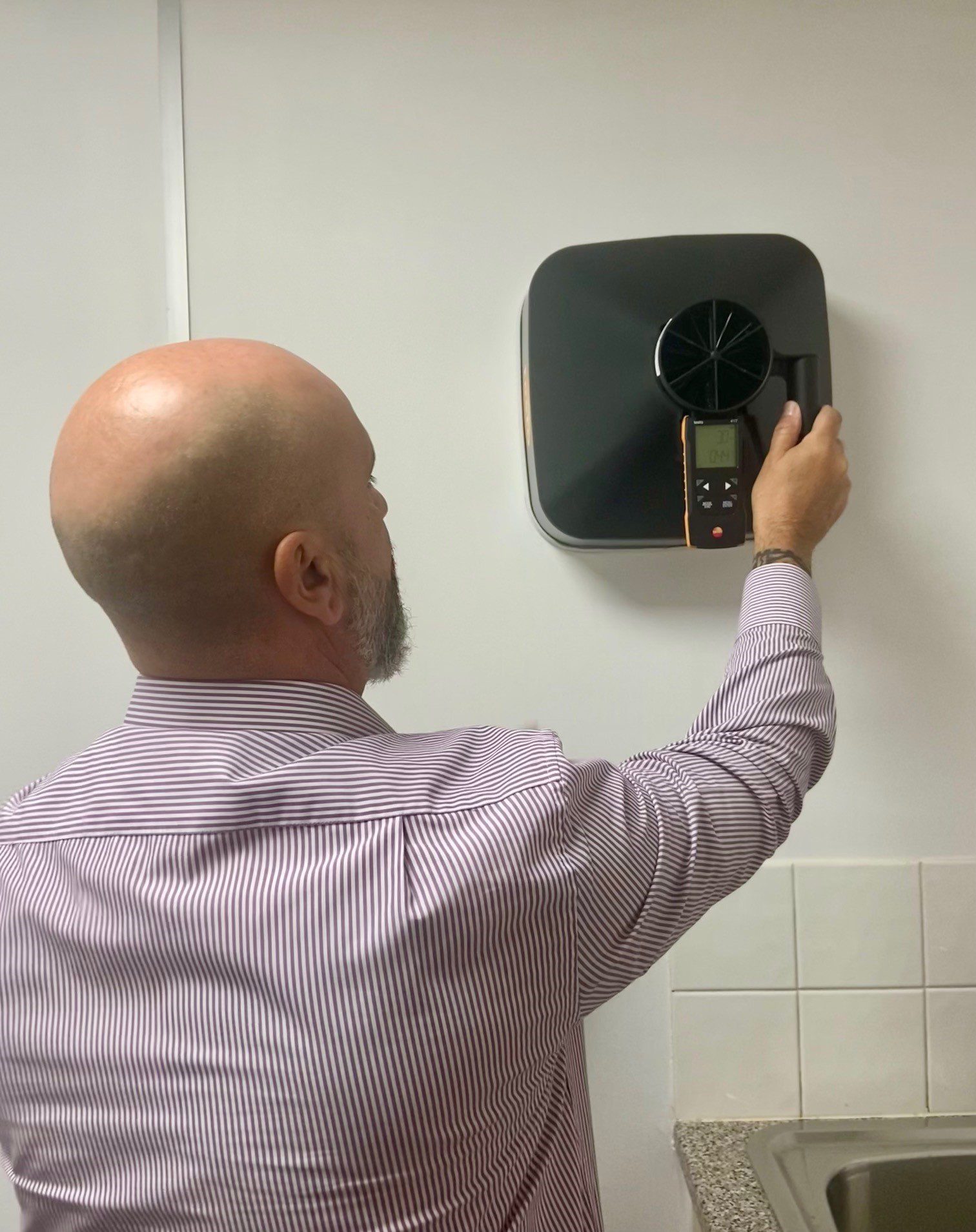
anemometer image

Rapid Response Service

Our emergency response team can mobilise within 24 hours to address urgent damp and mould hazards. We provide:
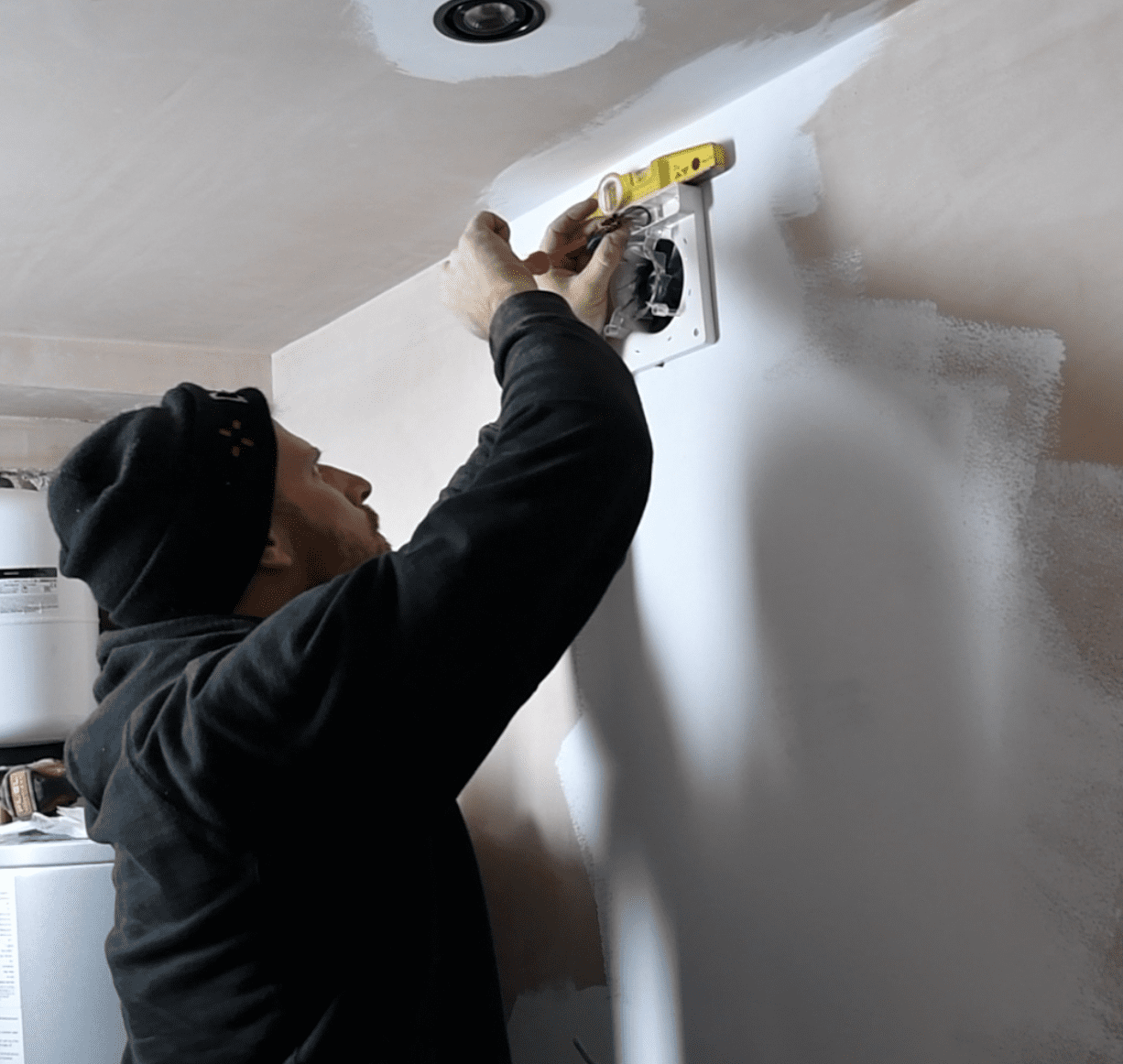
  • Immediate Assessment: Qualified surveyors evaluate the extent of problems
  • Temporary Solutions: Quick interventions to make properties safe
  • Comprehensive Reports: Detailed documentation for compliance records
Screenshot 2024-02-14 at 11.36.25

Comprehensive Ventilation Solutions

We don’t just treat symptoms – we address root causes through:

  • Professional Surveys: In-depth assessments measuring ventilation performance against Approved Document F standards
  • Tailored Solutions: Bespoke ventilation systems designed for each property’s specific needs
  • Rapid Installation: Typical turnaround of 28 days or less to meet Awaab’s Law timelines
  • Compliance Certification: Official certification ensuring your property meets building regulations
8b4e7990-80f2-49ef-9c60-e08bb0722113

Maintenance and Repairs Support

Our dedicated social housing team provides:

  • Rapid Response: Available when tenants report urgent problems
  • Qualified Engineers: All installations comply with BS7671 electrical standards
  • Building Control Notification: We handle all regulatory notifications
  • Comprehensive Warranties: Long-term guarantees on all work completed
19bbc5d4-9838-47d0-9856-6ae6610d731d

Training and Development

We offer CPD-accredited training courses to help your team:

  • Understand Awaab’s Law Requirements: Comprehensive overview of new obligations
  • Identify Damp and Mould Issues: Early detection techniques
  • Respond Effectively: Best practices for handling tenant complaints
  • Maintain Compliance: Ongoing support to ensure regulatory adherence

Preparing for Compliance

Immediate Actions for Landlords

  • Review Current Processes: Assess existing repair procedures against new requirements.
  • Upgrade Reporting Systems: Ensure tenants can easily report hazards 24/7.
  • Train Staff: Comprehensive training on Awaab’s Law requirements.
  • Contractor Agreements: Review contracts to ensure compliance with new timeframes.
  • Record Keeping: Implement robust documentation systems.

Long-term Strategy

  • Preventative Maintenance: Invest in proactive programmes to prevent hazards developing.
  • Property Assessments: Comprehensive surveys to identify potential problems.
  • Tenant Engagement: Clear communication about reporting procedures and tenant rights.

Understanding Your Legal Obligations

When Awaab’s Law Applies

The legislation applies to almost all social housing occupied under tenancy agreements, including:

  • Local authority housing.
  • Housing association properties.
  • Temporary and supported accommodation under tenancy.
  • Mixed-tenure buildings where social landlords have responsibility.

What Constitutes a Hazard

Awaab’s Law covers hazards arising from:

  • Defects in building structure or systems.
  • Disrepair such as broken windows or doors.
  • Lack of maintenance like deteriorating damp-proof courses.
  • Deficiencies in ventilation or insulation.

The Defence Provision

Landlords have a defence if they can prove taking “all reasonable endeavours” to comply but were prevented by circumstances beyond their control. This includes:

  • Inability to access properties despite reasonable efforts.
  • Unavailability of specialist contractors or materials.
  • Requirement for external approvals causing delays.
  • Lack of suitable alternative accommodation.

Consequences of Non-Compliance

Legal Action by Tenants

Tenants can take landlords to court for breach of contract, potentially resulting in:

  • Mandatory Repair Orders: Courts can compel completion of specific works.
  • Compensation Awards: Damages for inconvenience, health impacts, and property damage.
  • Legal Costs: Landlords may be ordered to pay tenants’ legal expenses.

Regulatory Intervention

The Regulator of Social Housing can take enforcement action against non-compliant providers, including:

  • Enforcement Notices: Formal requirements to improve performance.
  • Financial Penalties: Significant fines for serious breaches.
  • Management Transfers: Removal of management responsibilities in extreme cases.

Reputational Damage

Non-compliance can result in:

  • Negative Media Coverage: Public scrutiny of housing conditions.
  • Tenant Relationship Breakdown: Loss of trust and cooperation.
  • Recruitment Challenges: Difficulty attracting quality staff.
  • Funding Impact: Potential restrictions on future development funding.

Making the Transition Successfully

Building Resilient Systems

Successful compliance requires robust systems covering:

  • Intake and Triage: Clear processes for categorising reported hazards
  • Investigation Procedures: Standardised approaches ensuring thorough assessments
  • Contractor Management: Reliable supply chains capable of meeting tight deadlines
  • Communication Protocols: Regular updates to tenants throughout the process

Investing in Prevention

The most cost-effective approach focuses on preventing hazards developing:

  • Regular Inspections: Proactive identification of potential problems.
  • Maintenance Programmes: Scheduled work to prevent deterioration.
  • Tenant Education: Helping residents understand their role in maintaining properties.
  • Environmental Monitoring: Technology to detect issues before they become hazardous.


Frequently Asked Questions

Awaab’s Law is legislation requiring social landlords to investigate and fix dangerous damp and mould within set timeframes, and repair all emergency hazards within 24 hours. It was introduced following the tragic death of two-year-old Awaab Ishak, who died due to prolonged exposure to mould in his family’s housing. The law aims to prevent similar incidents by ensuring landlords take timely action to address safety hazards in homes.

Awaab’s Law applies to all social landlords, including housing associations and local authorities, who are responsible for maintaining safe living conditions for their tenants. Private landlords may also be held accountable if similar legislation or local regulations apply to their properties.

Under Awaab’s Law, social landlords must address and repair emergency hazards, such as dangerous damp and mould, within 24 hours of being reported. For non-emergency issues, landlords are required to investigate and resolve the problem within a designated timeframe, which may vary depending on the severity of the issue.

Tenants can report damp, mould, or other hazards directly to their social housing provider. Most landlords offer multiple reporting options, such as online portals, phone numbers, or in-person visits. Tenants should document the issue with photos or videos and keep records of their communication to ensure proper follow-up.

If a landlord fails to address the reported issues within the required timeframes, tenants can escalate their complaints to the Housing Ombudsman or local authorities. In severe cases, legal action may be taken to ensure the landlord complies with their obligations under Awaab’s Law.

Request a callback

Don’t wait for complaints or risks to escalate. Partner with Vortice to ensure compliant, durable solutions tailored to the needs of the social housing sector. Contact us now to schedule your free consultation and take the first step toward compliant, healthy homes.

Contact our social housing team for any enquiries.

Contact Form Product Enquiry

This field is for validation purposes and should be left unchanged.
How can our specialist team help you today?
Where did you hear about us?(Required)
Terms