
Why Dehumidifiers Are Not the Best Solution for Condensation
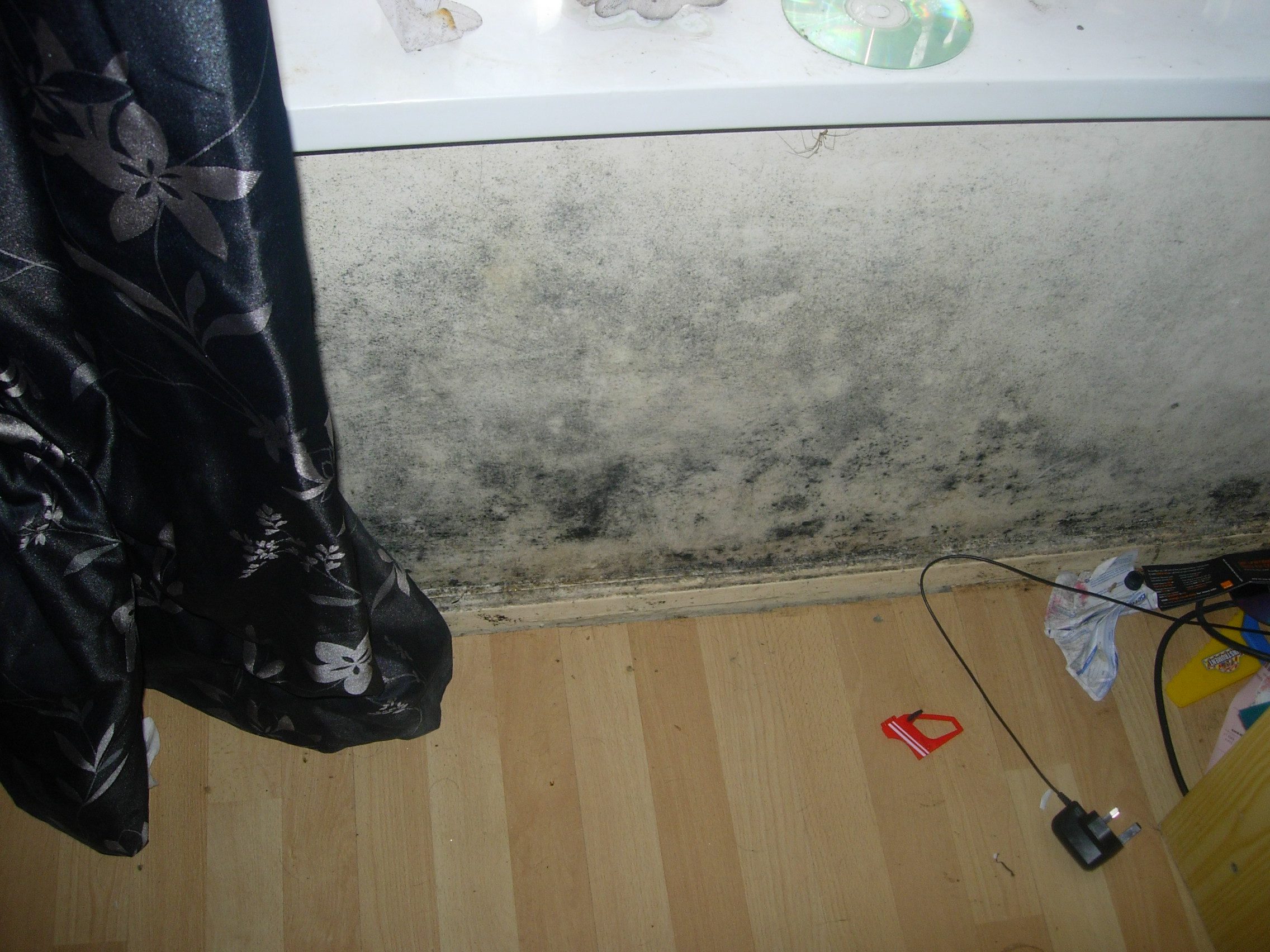
Condensation on windows and walls is a familiar sight in many UK homes, particularly during the colder, wetter months. While reaching for a dehumidifier might seem like a quick fix, it often only masks the underlying problem. These portable units can provide temporary relief in a small area, but they are not an effective long-term strategy for managing household condensation. Understanding their limitations is the first step toward finding a more permanent and efficient solution to protect your home and health.
This guide will explain why dehumidifiers fall short and introduce you to superior ventilation strategies. We will explore how modern systems not only eliminate condensation but also improve your home’s overall indoor air quality.
The Drawbacks of Using a Dehumidifier
Dehumidifiers work by drawing in air, cooling it to condense the moisture, and collecting the water in a tank. While the concept is sound, the practical application in a home environment reveals several significant drawbacks.
Limited Coverage Area
One of the main issues with dehumidifiers is their limited range. A standard unit is designed to manage the humidity in a single room. If you have condensation in your bedrooms, bathroom, and kitchen, you would need multiple units running simultaneously to see any real impact. This is neither a practical nor a cost-effective approach for whole-house moisture control. The moisture-laden air from other parts of the house will simply migrate back into the treated room, making the dehumidifier’s job a constant, losing battle.
High Energy Consumption and Running Costs
To be effective, an electric dehumidifier needs to run continuously, which can lead to a noticeable increase in your energy bills. With rising electricity costs, relying on several energy-intensive appliances to manage condensation 24/7 is an expensive commitment. In contrast, modern ventilation systems are designed for low-energy, continuous operation, offering a much more economical solution over the long term.
Constant Maintenance
A dehumidifier collects moisture in an internal reservoir or tank that requires regular emptying. In a home with significant condensation, this could mean emptying the tank multiple times a day. If you forget, the unit will stop working once full, and the condensation will return. Furthermore, the collected water and internal components can become a breeding ground for mould and bacteria if not cleaned regularly, potentially introducing new pollutants into your air.
A Better Approach: Whole-House Ventilation
Instead of just treating the symptoms in one room, the most effective way to combat condensation is to tackle the root cause: poor ventilation. By removing stale, moist air and replacing it with fresh, filtered air, you can control humidity levels throughout your entire property. Vortice UK offers a range of specialised ventilation solutions designed to do just that.
Positive Input Ventilation (PIV)
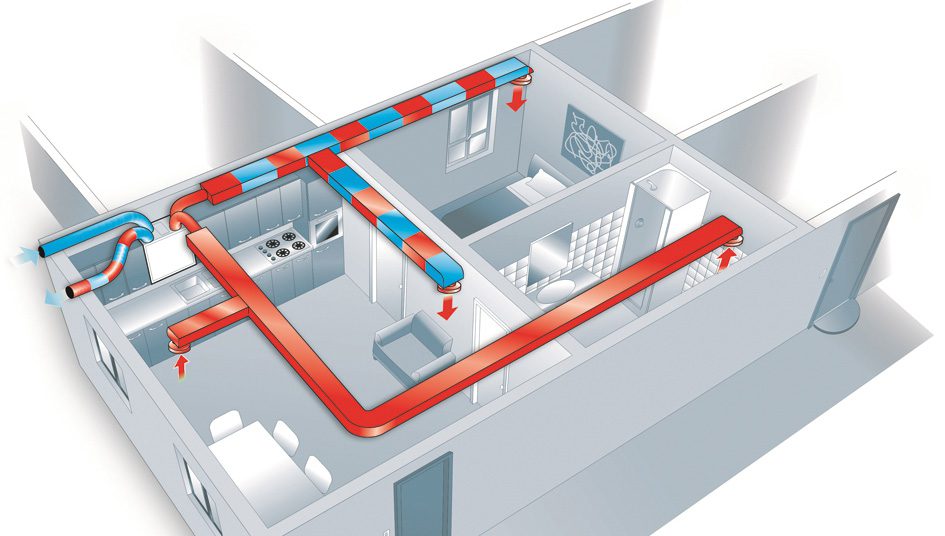
A Positive Input Ventilation (PIV) system is a whole-home solution that gently supplies fresh, filtered air into a property, typically from a central point like a loft or hallway. This process creates positive air pressure, displacing the warm, humid air that causes condensation and forcing it out through natural leakage points like window vents and trickle vents. PIV systems are exceptionally energy-efficient and operate quietly in the background, continuously improving indoor air quality by reducing humidity and filtering out outdoor pollutants and allergens.
Decentralised Mechanical Extract Ventilation (dMEV)
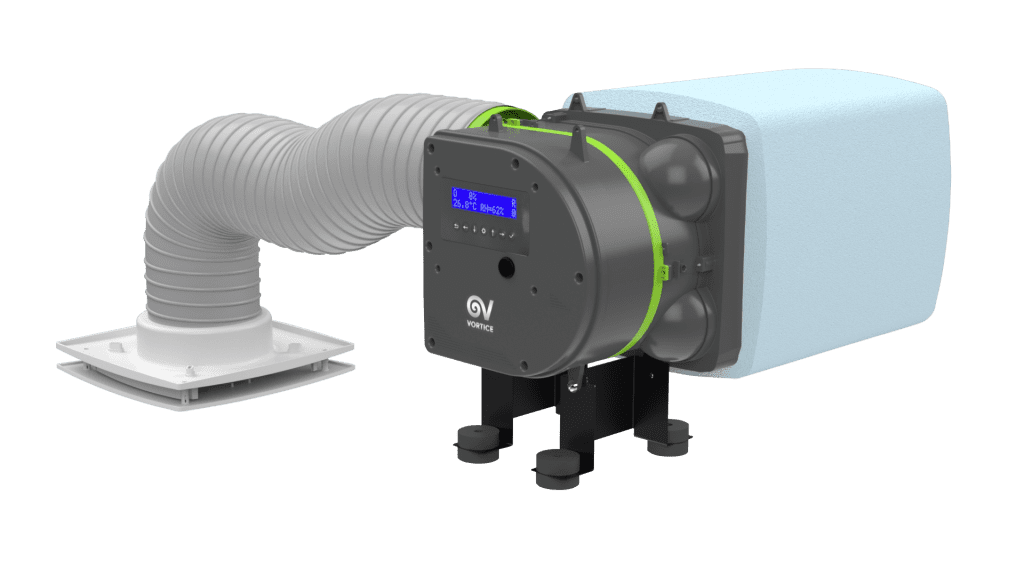
Decentralised Mechanical Extract Ventilation (dMEV) systems are designed for continuous, low-level extraction from moisture-producing areas like bathrooms and kitchens. Unlike intermittent fans that only run when switched on, dMEV units run constantly at a very low rate, silently removing stale and humid air. They often feature intelligent humidity sensors that automatically boost the extraction rate when high levels of moisture are detected, such as during a shower or while cooking. This ensures moisture is removed at the source before it can spread to other parts of the home.
High-Performance Extractor Fans
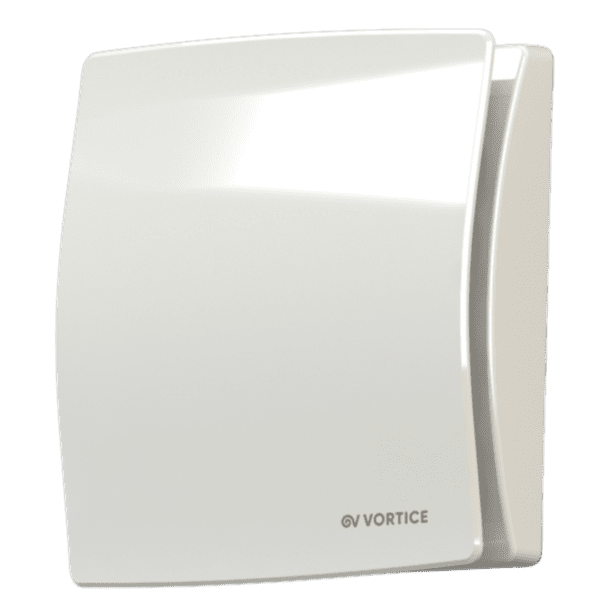
For targeted moisture control, modern intermittent extractor fans are a powerful tool. Installed directly in “wet rooms,” these fans are designed to rapidly extract steam and odours. Vortice’s range of extractor fans offers powerful performance with exceptionally low noise levels and energy consumption. They are an essential part of a comprehensive strategy to prevent moisture buildup in the rooms where it is most often generated.